Most parents who ask us about a first visit are not really asking about curriculum. Underneath the questions about days and waitlists sits a quieter one: will your child be alright in a room you are not standing in.
A Stay and Play morning is one answer to it. You come in with your child, you stay, you play alongside them, and you both go home together. Nobody asks your child to say goodbye that day.
It is a set morning when families are welcome in the rooms for an hour or so, enrolled or not. Southport has run community Stay and Play mornings on the last Friday of the month, between 9:30 and 11am, with activities set up around the centre and morning tea from its own menu. Robina has run a Stay and Play morning from 9:30 to 10:30.
Those two are the ones we can point to by name, rather than imply every centre runs the same morning in the same week. Morphett Vale has also opened its doors for a free playgroup morning, with bookings essential. So the first step is small: ring your centre and ask when the next family morning is on.
Children read a new space through the adult they came with. Our educators notice that a child who can glance up and find you goes further into a room, and sooner, than a child still checking the door.
The nursery and toddler educators at one of our centres have spent months on a project they call Identities in Relationship, documenting how children come to understand who they are through the relationships around them: with their environment, their friends and families, and their educators. A first visit with you beside them is where that starts.
The first of the EYLF learning outcomes is that children have a strong sense of identity. On a morning like this you get to watch that being built.
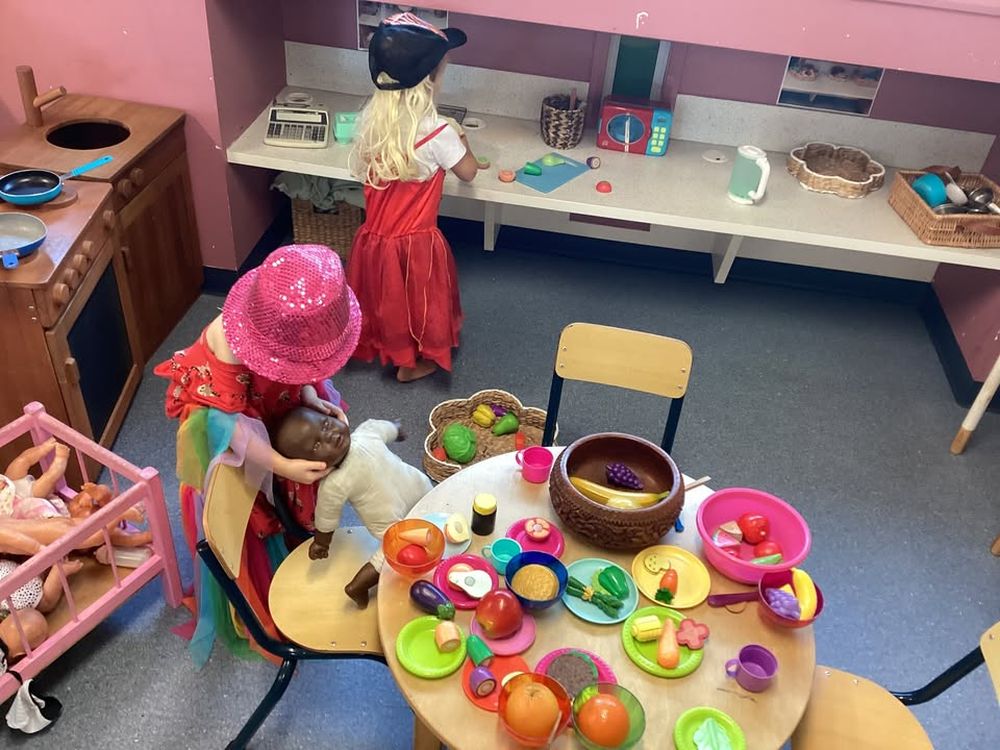
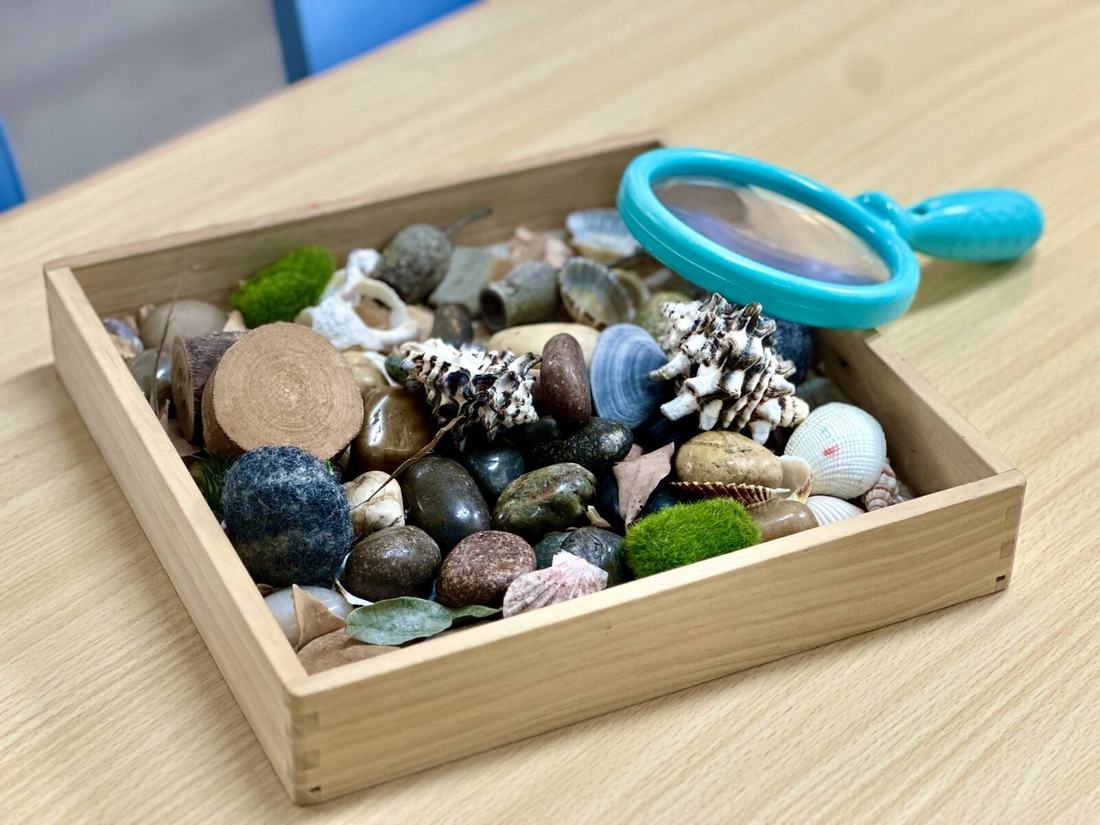
What is out on the day depends on the room, the week, and what the children have been curious about. These are the kinds of experiences our centres set up, not a menu to order from.
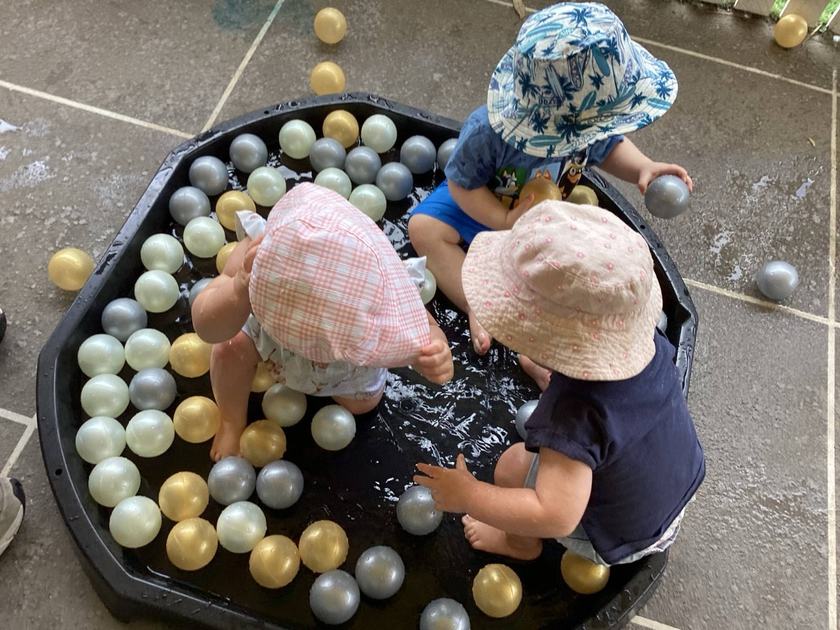
Our educators at Robina describe the foam tray in ordinary terms: hands getting stronger, children finding words for textures, tactile play supporting children to settle.
The value of a family morning is that our educators are working, not presenting. Things spill. Someone cries. You see what happens next, which is the part no tour script covers.
Then ask the blunt things. Who will be in your child's room. How the day is shaped. What happens if your child will not eat or sleep. Our educators would rather answer that on a Friday morning than in a phone call on the first day.
The day you actually leave is the one most parents are counting down to, and it is planned rather than left to chance. Educators at one of our centres have used whole-service staff meetings to build a plan for children moving into new rooms with new educators, then shared it with families.
Ask your centre how they would do that for your child. It is a fair question to put to us before you enrol.
If you would like to see a room with your child beside you, find your nearest centre and ask what is coming up, or book a tour at a time that suits you.