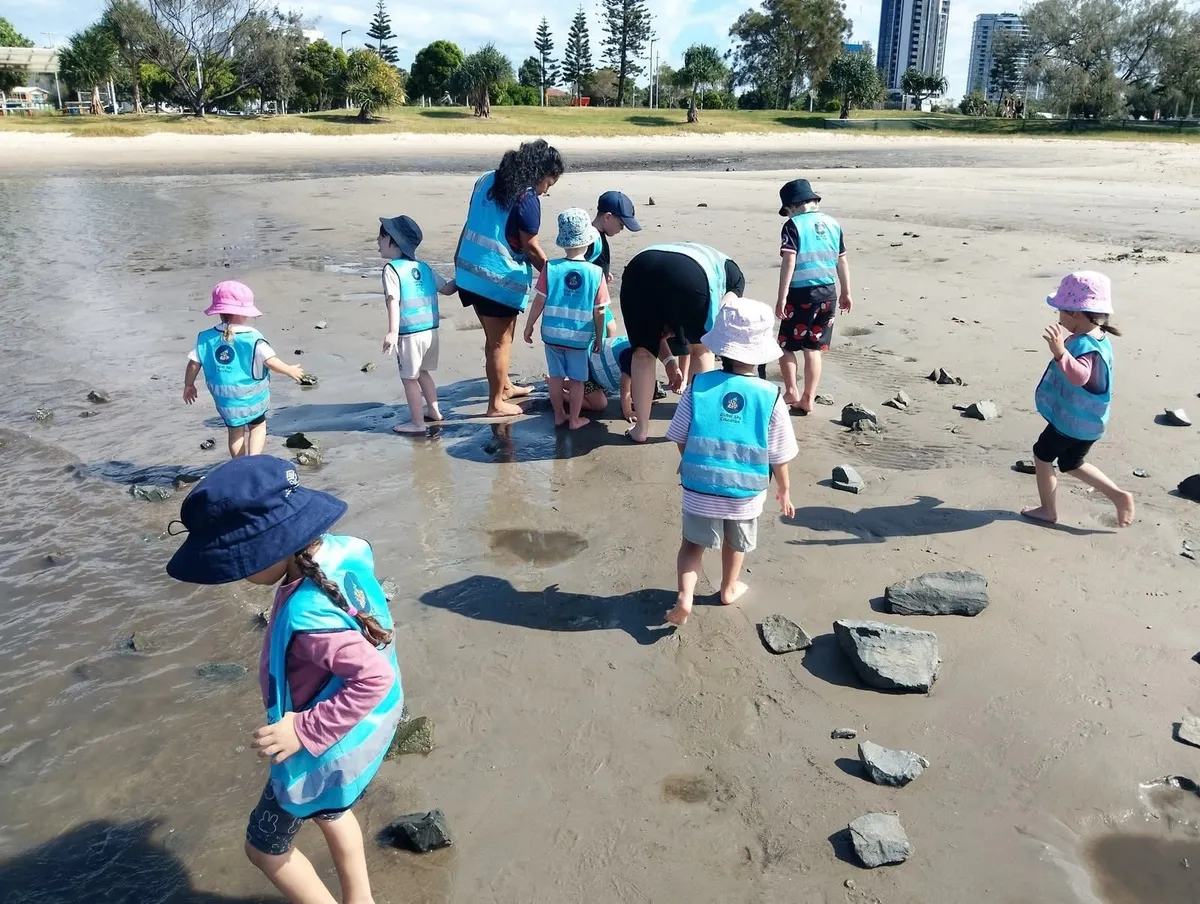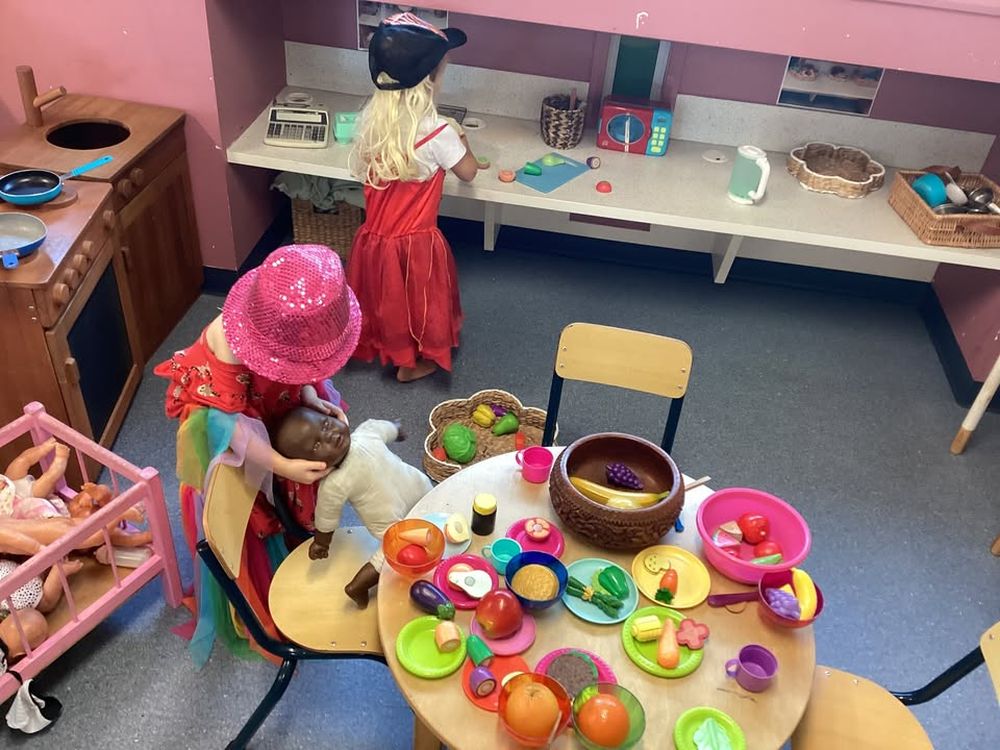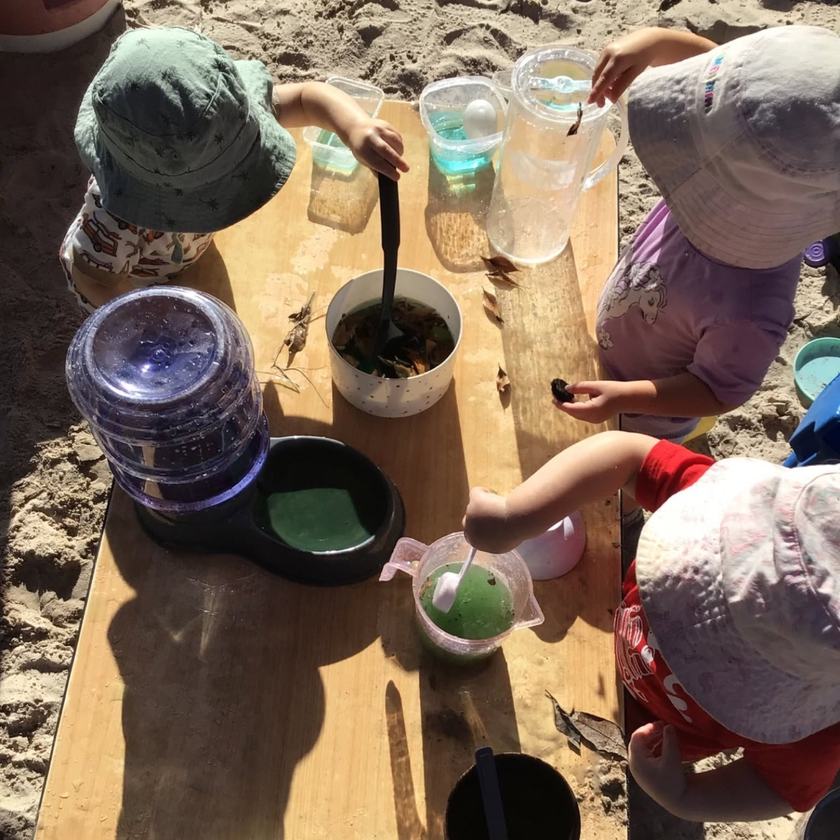
You get back in the car and the questions start. Who did she sit next to at morning tea. What does a child actually do with eight hours while you are at work.
It is the question we hear most in the first fortnight, and it deserves a straight answer rather than a reassuring one. Here is how your child's day reaches you, and what to do when you need to know something right now.
Nothing arrives the moment you walk out the gate. If your child is unsettled at drop-off, the educator's hands and attention are on your child rather than on a phone. Writing the day up happens in the gaps between caring for children, so it reaches you when educators have a moment.
If waiting is not what you need, ring your centre and ask. You do not need a reason. Asking is always faster than watching your phone, and the number is on your centre's page.
Our educators write your child's learning up in Storypark, an app made for this one job. It is used at all of our centres, you get an account when your child starts, and it works on a phone or a computer. Two different kinds of thing arrive in it.
The first is the room, and it comes every day. An educator posts what the group did — a pile of boxes that became a cubby house, the morning the plan changed — with a set of photographs, usually the same afternoon.
The second is your own child, and it is a slower, longer piece of work. A learning story is written to your child rather than about them: it opens with their name, the way a letter does, and it stays with the particular. The goodbye that is getting easier. The corner of the yard they keep going back to. The thing they can now do for themselves that they could not manage a fortnight ago.
Then it does something a photograph cannot. Underneath the story our educators add two short sections. Analysis of Learning is what they think is developing and why they think it. Future Focus is what they intend to do next because of it — which interest they will follow, what they will put out. Each story is tagged to the outcomes it connects to in the Early Years Learning Framework, and often to the five ideas our educators work from across all centres: the hundred languages a child has for expressing themselves, that children are capable, that children are resilient, that documentation is itself a form of communication, and that the educator's job is to partner, nurture and guide.
Which is a long way of saying that when you open a learning story, you are not being shown a nice moment. You are being shown a nice moment, someone's reasoning about it, and what they plan to do on Monday.
The moments our educators record are smaller and stranger than parents expect. Pre-Kindy children at Taranganba built a rock creation they explained was both a road and a love heart. Then the play turned. They gathered more rocks to be scanned and purchased at a pretend shop, taking turns as the rock gatherers and the cashier, and priced a single rock at a thousand.
At one of our centres, Kindergarten children set out to make frozen yoghurt, scooping and spreading mixed berry yoghurt and decorating it with banana, apple, dried pineapple and sprinkles. Partway through they asked whether they could make ice cream instead. The educators followed them, and that change of direction became part of the story rather than a detour from it.
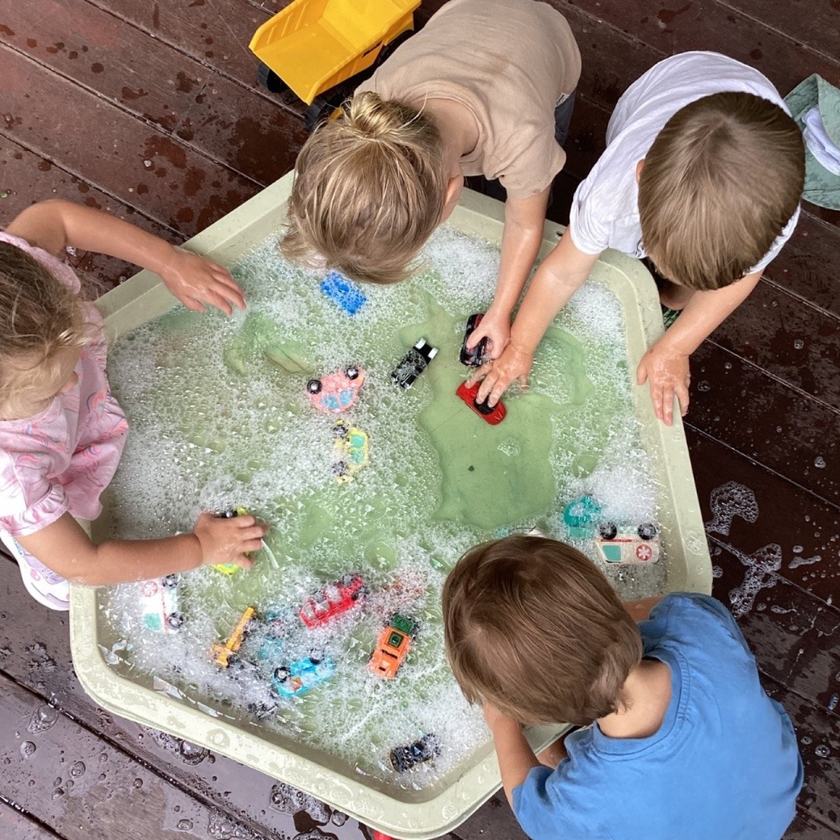
The same group painted a collaborative Under the Sea mural, naming the creatures they knew as they worked, then telling the educators which ones had been left off and needed to go in next time.
A day summed up in adjectives gives you nothing to talk about at dinner. Specifics give you a way in, because your child can pick the story up where the educator left it.
What our educators write usually holds four things:
Taking turns as the cashier is the observable version of what a school report would later call cooperation. Our educators notice it in that form first, and record what happened rather than a claim about your child's development.
The record of learning is one channel. Anything time-sensitive is another, and it comes to you directly. When heavy smoke sat over the area, one of our teams wrote to families that day, asking those with children prone to respiratory concerns including asthma to be vigilant, and saying plainly that home would be the safest place.
The same team has written to families about how infections travel in group care: close physical contact, objects going in mouths, coughs that are not always covered. Not a warning, just so the pattern of illness in a room of young children makes sense.
The most useful thing you can hand an educator is what your child is preoccupied with at home. One morning at one of our centres, a child arrived with a big idea to build a farmhouse from playdough. They needed more room, so an educator suggested asking their friends with kind words. The friends moved over, and the farmhouse went up with loose parts and farm animals.
Storypark carries that in both directions. Every story has a comment box, and what you write in it goes to the educator who wrote the story rather than into a void. It is worth using even briefly, and a sentence is plenty. A parent who mentions that their child has been talking about the same thing all week at home has just handed our educators the next place to start.
It runs the other way too. One of our teams has shared a sun-catcher for families to make at home: two paper plates with the centres cut out, clear book contact, flowers or leaves from outside, and string to hang it. It gives your child something of their own to bring back in.
Being told early lets you prepare your child, and yourself. Our Morphett Vale team has given families notice of the weeks ahead, so nobody arrived on the morning of Harmony Week without knowing. One of our teams transformed its learning environments for NAIDOC Week, with natural loose parts, storytelling invitations, Australian native animals and Dreaming stories.
Some of it is less visible. Educators at one of our centres have met monthly to reflect on the learning environment, including how children move into new rooms at the end of the year, then shared that plan with families once it was settled.
The honest test is to look before you enrol. See a room mid-morning, ask what gets written down and how you will hear it, and ask the things you would rather not put in an email. You can find your nearest centre and book a tour, or read about one such as Southport first.